Recruiting how-to
What to do in every year of high school, from freshman-year research to senior-year visits and signing, with the NCAA, NAIA, and U SPORTS rules that shape each step.

When does college swim recruiting start? NCAA Division I swim coaches can start calling, texting, and emailing you on June 15 after your sophomore year (grade 10), and official visits open on August 1 at the start of junior year (grade 11). NCAA Division II, Division III, NAIA, and U SPORTS coaches can communicate with you at any point in high school. Commitments happen in junior year and senior year (grade 12), and the first NCAA signing date for swimming is the second Wednesday in November of senior year.
The work starts well before any coach can call. Your sophomore-year and junior-year times, your grades, and the list of schools you build decide how that first conversation goes.
| Level | When coaches can communicate | Earliest official (paid) visit |
|---|---|---|
| NCAA Division I | Calls, texts, emails, and recruiting materials from June 15 after sophomore year (grade 10). In-person, off-campus contact from August 1 at the start of junior year (grade 11). | August 1 at the start of junior year |
| NCAA Division II | Communication at any time. In-person, off-campus contact from June 15 before junior year. | June 15 before junior year |
| NCAA Division III | Communication at any time. In-person, off-campus contact after sophomore year. | January 1 of junior year |
| NAIA | Any time. The NAIA has no recruiting calendar. | No association-wide restriction |
| U SPORTS (Canada) | Any time, until you sign a Letter of Intent or confirm your enrollment at another school | No earliest date. Ask each school about its visit rules. |
Rules change often. Check the official NCAA recruiting calendars each year.
Freshman year is for research and planning. Nobody expects a commitment, and NCAA Division I coaches cannot send you recruiting messages yet. What you do this year still counts.
Learn the landscape. Swimming is offered in NCAA Division I, II, and III, the NAIA, and U SPORTS in Canada. Division III schools do not offer athletic scholarships. Talk as a family about what college costs, what aid you might need, and what matters most in a school beyond the pool.
Protect your academic record from the first day. To be eligible at an NCAA Division I school you need 16 NCAA-approved core courses and at least a 2.3 core-course GPA. Division II requires a 2.2. SAT and ACT scores are no longer required for NCAA eligibility, though some colleges still want them for admission.
Freshman year checklist
Your sophomore-year times and grades matter for recruiting. When Division I coaches first reach out in June, this is the record they see.
Until June 15 after sophomore year, Division I coaches cannot send you recruiting materials, emails, texts, or calls, and they cannot take your calls either. You can still email them your times and your interest. Division II, Division III, NAIA, and U SPORTS coaches can write back now, so those conversations often start earlier.
Build a first list of 20 to 30 programs across levels. Compare your times to each team's current roster and recent conference results. Include schools where you would score points, where you would train with faster swimmers, and a few where the academics are the main draw.
Sophomore year checklist
Junior year is the busiest recruiting year. Your junior-year swims carry the most weight with coaches, and your junior-year academics are just as important.
From June 15 before junior year, Division I coaches can call and message you freely. From August 1, they can meet you off campus, host you on an official visit, and involve athletics staff in an unofficial visit. You may take official visits to as many NCAA schools as you like, but each school can pay for only one official visit before you finish high school. Division III official visits open January 1 of junior year.
You can verbally commit in junior year, but a verbal commitment is not binding on you or the school. Division I schools cannot put a scholarship offer in writing before August 1 of senior year (grade 12), and no one signs until November of senior year.
Division I swimming also has recruiting shutdowns, when coaches cannot contact you at all: the third week of August, December 18 to January 7, and two weeks in February before the NCAA women's championships. Silence during those windows is the rule at work. There is also a dead period around the November signing date (November 9 to 12 in 2026-27), when coaches can call and write but cannot meet you in person. Check the NCAA's 2026-27 recruiting calendar for the exact dates.
Junior year checklist
Visits often happen in the fall of senior year. In Streamline Swimming's experience, most swimmers in their senior year commit to their college team in one of two windows: October to November, or February to March.
The National Letter of Intent no longer exists. You now sign an athletics aid agreement directly with the school. For swimming, the first date you can sign is the second Wednesday in November of senior year. After you sign, other NCAA schools that offer athletic aid must stop recruiting you.
Since July 2025, NCAA Division I no longer has sport-specific scholarship limits. Schools that opted in to the House v. NCAA settlement instead cap men's and women's swimming and diving rosters at 30, and they may offer scholarships to any swimmer on that roster. Roster spots are now the scarce resource. Ask each coach whether the school opted in, whether your roster spot is guaranteed, and how long your scholarship lasts.
There are no athletic scholarships. After you are accepted, a school may give you a nonbinding celebratory signing form.
Register with the NAIA Eligibility Center at PlayNAIA.org. The NAIA has no association-wide letter of intent. Individual schools may ask you to sign one, but it does not obligate you to attend.
Signing a U SPORTS Letter of Intent is voluntary, and signed swimmers are listed on a national registry. You can sign only in the 12 months immediately before the academic year you plan to start, so a swimmer starting university the September after senior year can sign from the start of senior year. Since 2024-25, first-year students can receive an athletic scholarship once they are accepted and enrolled in a degree program.
Senior year checklist
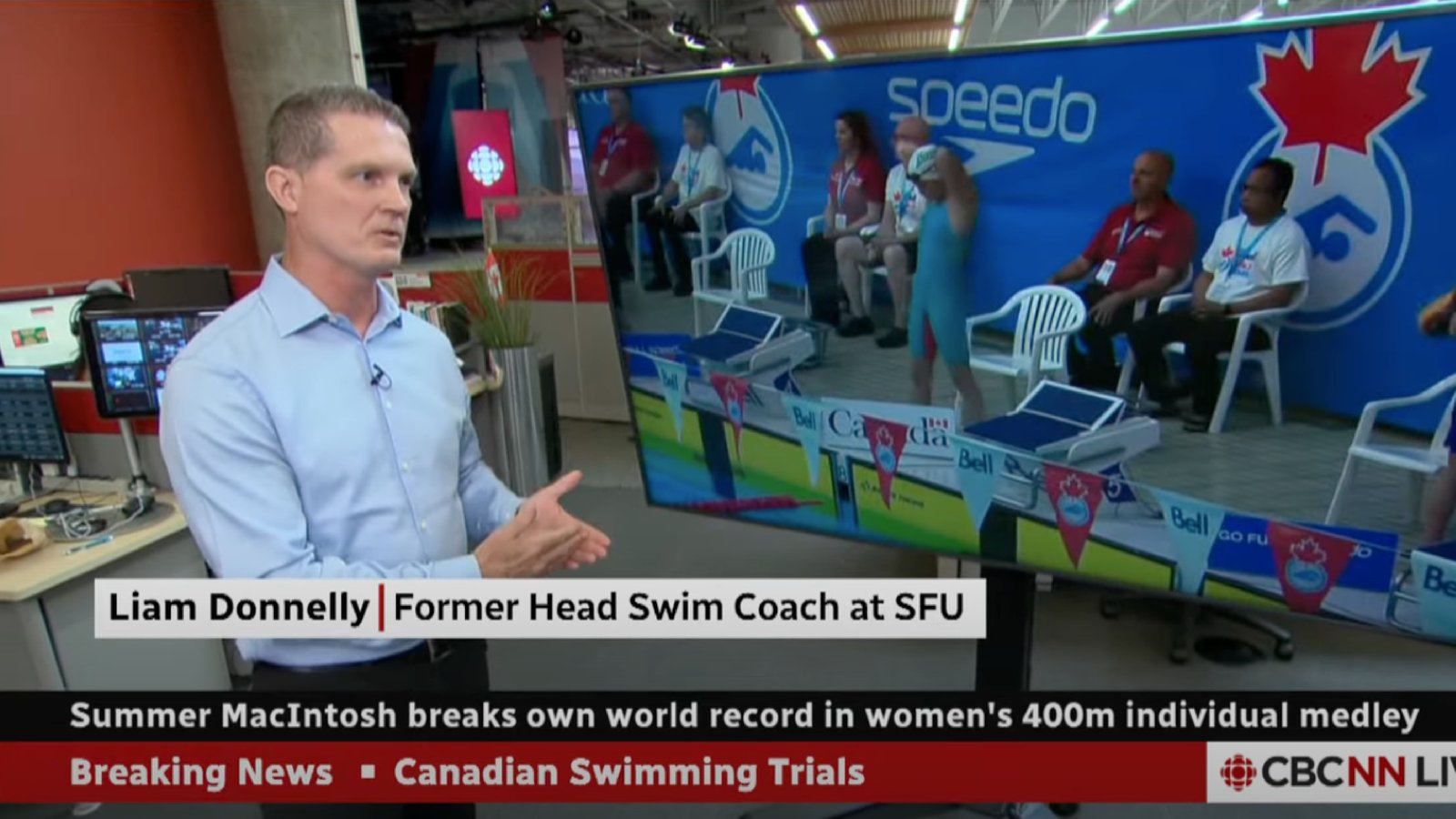
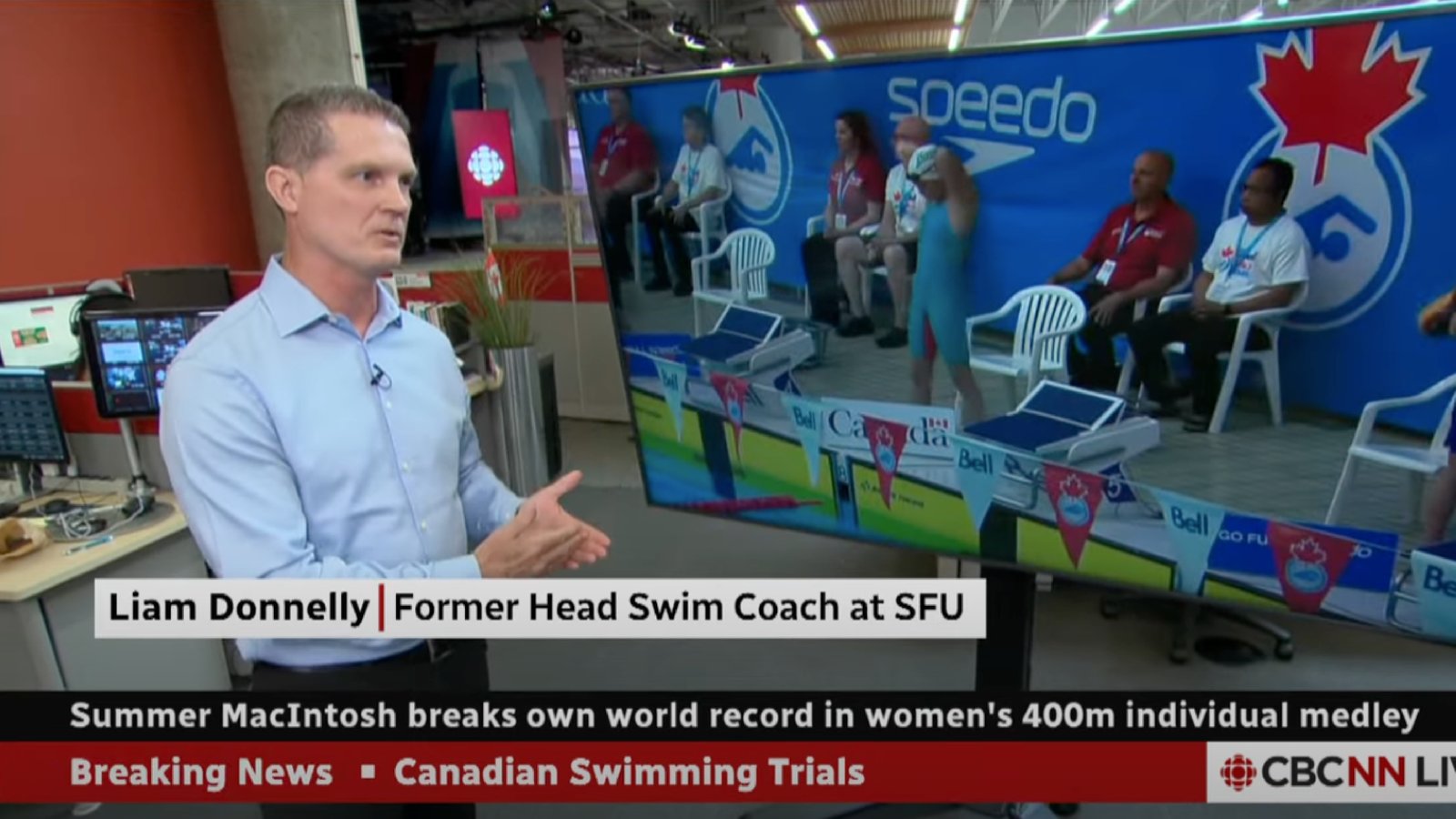
Wherever you are on this timeline, the next step is the same. Create a free Streamline Swimming profile. It is free to submit, and once it's complete you can request a consultation with Liam Donnelly, Streamline Swimming's Director of Swimming, a longtime college coach and former head swim coach at Simon Fraser University.
When can college swim coaches contact me? NCAA Division I coaches can call, text, and email you from June 15 after sophomore year (grade 10). NCAA Division II, Division III, NAIA, and U SPORTS coaches can communicate with you at any time during high school.
Can I commit to a college swim team in junior year (grade 11)? Yes, verbally. A verbal commitment is not binding on you or the school. NCAA schools cannot finalize it until the first signing date in November of senior year (grade 12).
When do college swimmers sign? The first NCAA Division I and II signing date for swimming is the second Wednesday in November of senior year (grade 12). Swimmers can also sign later in the year. You sign an athletics aid agreement with the school, which replaced the National Letter of Intent.
How did the House settlement change swimming scholarships? Division I no longer has sport-specific scholarship limits. Schools that opted in to the settlement cap swimming and diving rosters at 30 per team and can offer scholarships to anyone on the roster.
Do I need SAT or ACT scores to swim in the NCAA? No. NCAA eligibility is based on 16 approved core courses and your core-course GPA. Some colleges still require test scores for admission, so check each school.
Do Canadian universities recruit swimmers the same way? No. U SPORTS has no recruiting calendar like the NCAA's, and signing a Letter of Intent is voluntary. Entering students qualify for an athletic scholarship once they are accepted and enrolled.
Create a free swim profile, and we'll reach out when programs in our network could be a fit. Free to submit.